

Tooth Extraction in Chandler, AZ: How Much Pain Is Normal and How to Recover Faster
July 1, 2026A tooth extraction may be recommended when a damaged or infected tooth can no longer be effectively treated or restored. Tooth extraction in Chandler, AZ, is a common dental procedure performed to protect overall oral health when a tooth can no longer be preserved. Although many patients are concerned about post-treatment discomfort, mild soreness, swelling, and tenderness are normal parts of the healing process and typically improve within the first few days.
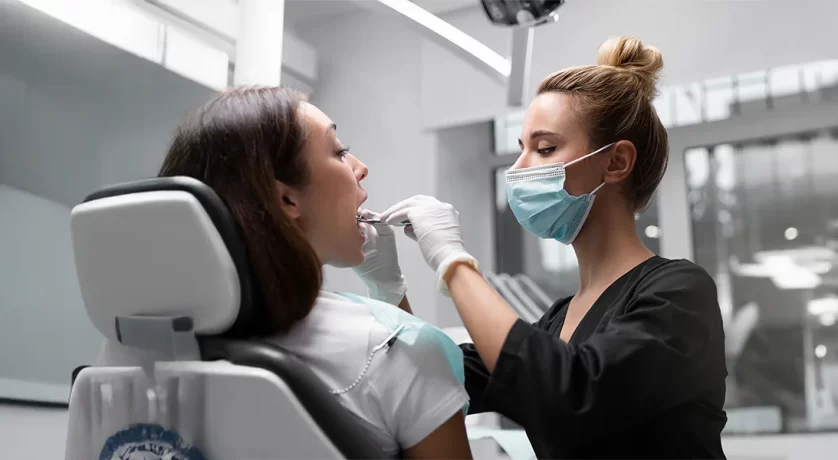
For most people, discomfort gradually eases during the first few days after Tooth Extractions in Chandler, AZ, as the area begins to heal. Knowing what to expect, recognising signs that may require attention, and following proper aftercare instructions can help support a smoother recovery and reduce the risk of complications.
Why Tooth Extractions May Be Necessary
Dentists generally aim to save natural teeth whenever possible. However, removal may be recommended when preserving the tooth is no longer the healthiest option.
Common reasons include:
- Extensive tooth decay
- Severe infection affecting the tooth structure
- Advanced gum disease is causing instability
- Dental trauma or fractures
- Overcrowding before orthodontic treatment
- Impacted wisdom teeth that lead to pain, swelling, or other dental complications
Careful examination and diagnostic imaging allow dentists to identify the most appropriate treatment for your oral health needs.
Signs You May Need an Extraction
Certain symptoms may indicate that a tooth requires professional evaluation.
These signs can include:
- Persistent toothache that does not improve
- Significant damage from injury
- Swelling around the gums or jaw
- Repeated dental infections
- Loose teeth related to periodontal disease
- Difficulty chewing due to pain
Only a licensed dental professional can determine whether removal is necessary after assessing the condition of the tooth and surrounding structures.
Is Pain Normal After a Tooth Extraction?
Yes. Mild to moderate discomfort is typically expected after an extraction.
Most patients experience:
- Tenderness around the extraction site
- Mild swelling
- Jaw soreness
- Slight bleeding during the first 24 hours
Pain often reaches its peak during the first one to three days before gradually improving. According to the American Dental Association, proper aftercare supports healing and minimizes complications.
What Is Considered Normal?
Normal healing symptoms include:
- Mild throbbing
- Swelling that improves after a few days
- Temporary sensitivity when eating or drinking
- Minor bruising around the treatment area
What Is Not Considered Normal?
Contact a dental professional if you experience:
- Severe or worsening pain after several days
- Excessive bleeding
- Fever
- An unpleasant taste or bad smell coming from the extraction area
- Increasing swelling
These symptoms may indicate complications that require evaluation with our dentist near you.
How Long Does Recovery Take After Tooth Extraction?
Recovery varies depending on factors such as the complexity of the procedure, overall health, and adherence to aftercare instructions.
Typical healing milestones include:
- First 24 Hours: Blood clot formation begins.
- Days 2–3: Swelling and tenderness may peak.
- Days 4–7: Noticeable improvement in comfort.
- Weeks 1–2: Soft tissue continues healing.
- Several Weeks to Months: Bone remodeling progresses beneath the gums.
Simple extractions generally heal faster than surgical procedures involving impacted teeth.
How to Recover Faster After Tooth Extraction
Proper aftercare can support healing and reduce discomfort.
Follow Your Dentist’s Instructions
Because every patient heals differently, following your dentist’s instructions is one of the most effective ways to support recovery.
Protect the Blood Clot
The blood clot is essential for healing.
Avoid:
- Drinking through straws
- Smoking
- Aggressive rinsing
- Spitting forcefully
Dislodging the clot may increase the risk of dry socket.
Manage Swelling
Applying a cold compress during the first 24 hours may help reduce inflammation.
A common approach is:
- 15 minutes on
- 15 minutes off
Prioritize Rest
Your body heals more efficiently when it has adequate rest. Avoid strenuous activity during the first few days unless advised otherwise.
Maintain Gentle Oral Hygiene
Keeping the mouth clean is important, but avoid disturbing the extraction site. Gentle brushing and careful rinsing can help reduce bacterial buildup.
Expert Insight
One of the most common reasons for delayed healing is disruption of the blood clot. Following aftercare instructions carefully can help the area heal more comfortably and predictably.
Foods to Eat and Avoid After Tooth Extraction
Nutrition plays a significant role in recovery.
Foods That May Be Easier to Eat
Consider softer options such as:
- Yogurt
- Applesauce
- Mashed potatoes
- Scrambled eggs
- Smooth soups
- Oatmeal
- Cottage cheese
Foods to Avoid
For the first several days, avoid:
- Crunchy snacks
- Hard candies
- Nuts and seeds
- Sticky foods
- Extremely hot foods or beverages
- Spicy dishes, if they cause irritation
As the extraction site heals, you can slowly reintroduce your usual foods based on your comfort level.
Warning Signs That Require a Dental Visit
While most recoveries progress normally, certain symptoms warrant professional attention.
Seek dental evaluation if you notice:
- Persistent bleeding beyond the expected timeframe
- Severe pain that suddenly worsens
- Fever or chills
- Significant swelling extending into the face or neck
- Difficulty swallowing
- Drainage or signs of infection
Prompt care helps address concerns before they become more serious.
Why Choose SmileWorks Dentistry for Tooth Extractions?
When searching for a dentist’s office near you, choosing a practice that prioritizes communication, comfort, and informed treatment planning can make a meaningful difference.
The practice emphasizes:
- Clear explanations of findings and treatment options
- Modern diagnostic technology that supports accurate evaluations
- Care, available in English, Spanish, and Korean
- Comfort-focused amenities, including blankets, pillows, and entertainment options
- A patient-centered approach designed around long-term oral health goals rather than quick fixes
Patients looking for the best dentist in Chandler, AZ, a dentist in 85249, or a tooth extraction near you often value a practice that provides thoughtful guidance and a calm clinical environment.
Final Thoughts
A tooth extraction is often an important step toward protecting long-term oral health. While some discomfort is expected, most patients recover successfully when they follow aftercare instructions, protect the healing site, and monitor for unusual symptoms.
If you’re unsure whether your symptoms are part of the normal healing process, a dental evaluation can provide clarity and peace of mind. For patients seeking compassionate, patient-focused dental care in Chandler, SmileWorks Dentistry – Chandler offers treatment centered on comfort, communication, and informed decision-making.
Frequently Asked Questions
How painful is a tooth extraction after the numbness wears off?
Most people experience mild to moderate soreness for several days. Discomfort generally improves as healing progresses and can often be managed with recommended medications.
Is it safe to brush my teeth after an extraction?
Yes. Maintain your regular oral hygiene routine, but take extra care around the extraction site to prevent irritation or disruption of healing.
What is dry socket?
Healing can be disrupted if the blood clot at the extraction site is displaced too soon, which may lead to a condition known as dry socket. It can cause significant discomfort and requires professional treatment.
When can I return to work after an extraction?
Many patients return to normal activities within one or two days after a simple procedure. Recovery may take longer after surgical extractions.
How do I know whether my extraction site is recovering as expected?
Gradual improvement in pain, reduced swelling, and the absence of infection symptoms are generally positive signs of healing.