

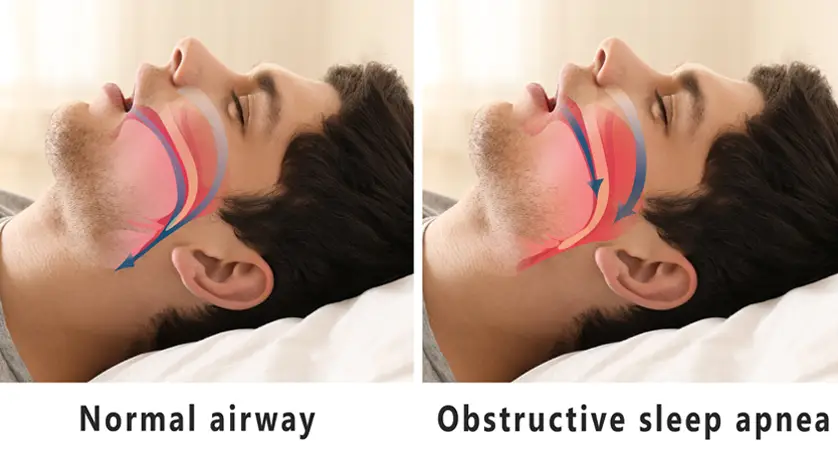
Sleep apnea is basically a condition where breathing repeatedly pauses during sleep. This can happen many times without the person noticing. It can lead to poor sleep, daytime fatigue, and other health concerns. At SmileWorks Dentistry, sleep apnea treatment in Chandler helps manage this condition and improve sleep. Early care can also reduce the risk of long-term health issues. Better breathing at night also supports heart health and daily energy levels.
Common Signs You Should Not Ignore
People with sleep apnea can snore loudly or wake up feeling tired even after rest. Other signs include headaches, dry mouth, and trouble focusing during the day. These symptoms may seem mild, but can affect overall health. Sleep apnea treatment near you helps manage these signs early. Addressing symptoms early can improve daily comfort and energy. It also helps reduce strain on the body caused by poor sleep patterns.
How Oral Devices Help Improve Breathing
Dental treatment for Sleep Apnea Treatment in Chandler, AZ often involves a custom oral appliance. This device is worn during sleep and keeps the airway open by adjusting the position of the jaw. It is compact, easy to use, and comfortable for most patients. This treatment supports steady breathing throughout the night. Many patients find this option easier than other forms of treatment. It is also simple to carry and maintain during travel.
Personalized Approach For Each Patient
Every patient has different needs, so treatment is planned based on each patient’s condition and symptoms. We examine the mouth, jaw, and airway before recommending a solution. This makes sure the device fits properly and works effectively. Patients receive care that matches their needs. A proper fit improves both comfort and results. Personalized care helps ensure better long-term success.
Long-Term Management For Better Sleep Health
Sleep apnea needs ongoing care. Regular follow-ups confirm if the treatment is working properly. Adjustments may be made to improve comfort and results over time. At SmileWorks Dentistry, we focus on long-term management to help patients improve sleep and overall health. Consistent care helps maintain steady breathing during sleep. Ongoing monitoring also helps prevent symptoms from returning.
Comfortable Care In A Calm Environment
Managing sleep apnea should be simple and stress-free. Our practice offers a calm setting with supportive care during every visit. Patients receive simple guidance and step-by-step support throughout treatment. At Chandler Dentist, we make each visit smooth and comfortable. A calm environment also helps patients stay relaxed during care. This makes it easier to continue treatment regularly.
Frequently Asked Questions
In sleep apnea, breathing pauses during sleep. It can affect sleep quality and total health if not treated.
Dentists use custom oral devices that help keep the airway open during sleep. These devices improve breathing and support better rest.
Yes, oral appliances are designed to fit comfortably in your mouth. Most patients adjust quickly and notice better sleep with regular use.
Yes, a sleep study is usually needed to confirm the condition. This helps guide the correct treatment plan for your needs.
Sleep apnea is a condition where breathing repeatedly stops and starts during sleep. While it’s commonly associated with snoring, it can have serious effects on overall health over time, including fatigue, poor concentration, and cardiovascular strain. Dentists can play a role in managing it through oral appliances that help keep the airway open while you sleep.
We offer oral appliance therapy as a non-invasive option for managing sleep apnea. These custom-made devices are worn at night and work by repositioning the jaw or tongue to keep the airway clear. They’re a comfortable alternative for patients who can’t tolerate or don’t respond well to a CPAP machine.
Yes, sleep apnea should be diagnosed by a qualified sleep specialist or physician before pursuing dental treatment. Once you have a diagnosis, we can work with you to explore oral appliance therapy as a management option. If you suspect you may have sleep apnea, we’d encourage you to get evaluated first.
Typical indicators include loud and ongoing snoring, waking up feeling fatigued despite getting a full night’s rest, gasping or choking while asleep (usually observed by a partner), having headaches in the morning, and experiencing trouble focusing during the daytime. If any of these sound familiar, it may be worth speaking with a doctor.
For individuals with mild to moderate sleep apnea, oral appliances can be highly effective and are often better tolerated than CPAP machines because they’re smaller, quieter, and easier to travel with. For more severe cases, a CPAP or combination approach may be more appropriate. We work alongside your physician to find the best solution.
Coverage varies by plan and provider. Certain health insurance policies may include coverage for oral appliance therapy to treat sleep apnea, particularly if there is an official diagnosis. We recommend checking with your insurance provider ahead of time. Our team can also help clarify what options are available when you visit our office in Chandler.
It takes a short adjustment period for most patients, but oral appliances are designed to be as comfortable as possible. They’re custom-made to fit your teeth and jaw, so they shouldn’t feel bulky or irritating once you’re used to them. We follow up with patients to make adjustments if needed.
Yes, in certain situations, individuals with sleep apnea frequently grind or clench their teeth during sleep, which can lead to worn enamel, cracked teeth, and jaw pain over time. If you’re already dealing with these issues, it may be worth looking into whether sleep apnea is a contributing factor.
The first step is to get a formal sleep apnea diagnosis from a sleep specialist or physician. Once that’s in place, you can reach out to our office to schedule a consultation. We will evaluate your diagnosis, talk about treatment objectives, and assess if an oral appliance is suitable for your circumstances.
Managing sleep apnea is typically an ongoing process. Oral appliances may need to be adjusted over time as your jaw or teeth change, and regular check-ins help confirm the device is working effectively. We also monitor for any dental effects and make modifications as needed to keep you sleeping better.


